Megaliths · Alentejo, Portugal
Antas do Olival da Pêga
Discover prehistoric burial monuments around Monsaraz.
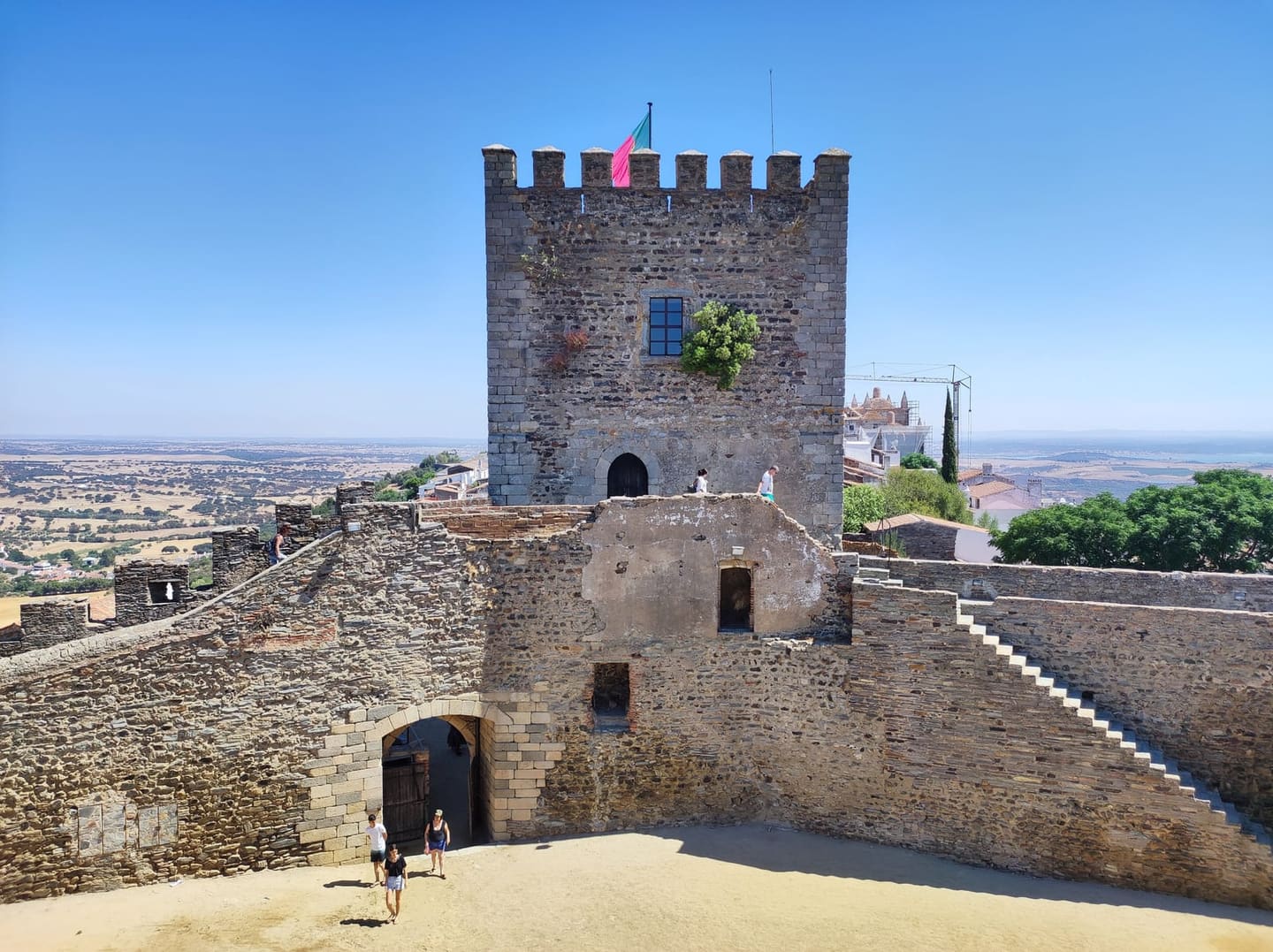
Discover Antas do Olival da Pêga
Look at how surviving upright slabs and chamber forms define the ancient structures, and imagine their original earthen coverings.
Visitor tips
Archaeological access can depend on paths and land conditions. Do not move stones or enter unsafe chambers.
About Antas do Olival da Pêga
The Olival da Pega dolmens are archaeological remains in the rural landscape around Monsaraz. Their protection belongs to the relevant heritage framework and access may involve countryside routes or land-use restrictions, rather than a single ticketed operator. They illuminate a much earlier phase of settlement in this part of Alentejo.
The dolmens of Olival da Pêga formed part of a prehistoric funerary landscape. They offer a different perspective from the ceremonial standing stones nearby.
Essential visitor information
- Site or experience
- Megalithic funerary monuments
- Location
- Olival da Pêga countryside, near Monsaraz, Portugal
- Region
- Alentejo, Portugal
- Current access
- Rural archaeological terrain; use permitted tracks.
- Admission and costs
- Check current access conditions locally.
- Overnight base
- Monsaraz and nearby rural guesthouses
Highlights and what to notice
Look at how surviving upright slabs and chamber forms define the ancient structures, and imagine their original earthen coverings.
History, design and distinctive features
The dolmen form is defined by slabs arranged around a burial chamber. Rather than treating the monument as a pile of rocks, look for the organisation of supports, capstones and passages where they survive.
The setting is part of the story: compare this stop with the fortified village of Monsaraz and the countryside beyond. The relationship between the buildings, paths and terrain often reveals more than a quick photograph of a single landmark.
Opening hours & access
Rural archaeological terrain; use permitted tracks. Check the current site notice or responsible venue before setting out.
Tickets & prices
Check current access conditions locally. Booked experiences, exhibitions and optional services may have separate charges.
Before you go
Archaeological access can depend on paths and land conditions. Do not move stones or enter unsafe chambers.
- Confirm opening conditions, road access and event restrictions locally before travel.
- Take water and comfortable shoes, especially in warmer months.
- Respect residents, religious spaces, archaeological remains and protected landscapes.
Suggested route and nearby stops
Include on a dedicated half-day archaeology circuit rather than a rushed village walk.
Use the place-specific map link above to check your starting point and current route. Travel times depend on where you park and on local road or footpath conditions.
Getting here and moving around
These sites are spread through a rural archaeological landscape. Visit in daylight, use signed access where provided and respect nearby farmland.
If travelling from Évora or Reguengos de Monsaraz, check current public transport connections before relying on them. For rural monuments and waterside activities, a car, taxi or arranged excursion is often more practical than an unplanned walk from the castle.
A simple three-step visit
- Orient yourself. Open the specific Google Maps search above and approach via the permitted entrance or public route.
- Explore deliberately. Look at how surviving upright slabs and chamber forms define the ancient structures, and imagine their original earthen coverings.
- Continue onward. Include on a dedicated half-day archaeology circuit rather than a rushed village walk.
Photography spots and best light
An angled view across the stone uprights makes the chamber geometry clearer. Avoid stepping into unstable structures.
Morning and late-afternoon light can bring out the textures of Alentejo stone and countryside. Keep paths clear for other visitors, ask permission before photographing people and never cross barriers for a better angle.
Where to stay nearby
Monsaraz and nearby rural guesthouses. For early sightseeing or night photography, staying close to the destination can reduce driving. Compare the property’s parking, check-in arrangements and accessibility with your planned route before booking.
Visitor impressions and what to expect
The appeal of this stop lies in its setting and the details worth noticing: Look at how surviving upright slabs and chamber forms define the ancient structures, and imagine their original earthen coverings. For recent visitor reviews, photographs and practical access updates, open the place-specific Google Maps link above.
Frequently asked questions
Is Antas do Olival da Pêga worth including in a Monsaraz trip?
Yes if you are interested in megaliths. Discover prehistoric burial monuments around Monsaraz. Look at how surviving upright slabs and chamber forms define the ancient structures, and imagine their original earthen coverings.
How should I plan a visit to Antas do Olival da Pêga?
Archaeological access can depend on paths and land conditions. Do not move stones or enter unsafe chambers.
What can I combine with Antas do Olival da Pêga?
Include on a dedicated half-day archaeology circuit rather than a rushed village walk.
Where are the best views or details at Antas do Olival da Pêga?
An angled view across the stone uprights makes the chamber geometry clearer. Avoid stepping into unstable structures.
Continue exploring
All Monsaraz visitor guidesSources for local context: Visit Portugal and Reguengos de Monsaraz Municipality. Confirm visit-specific arrangements with the relevant operator.